How to turn your social feed into a revenue system
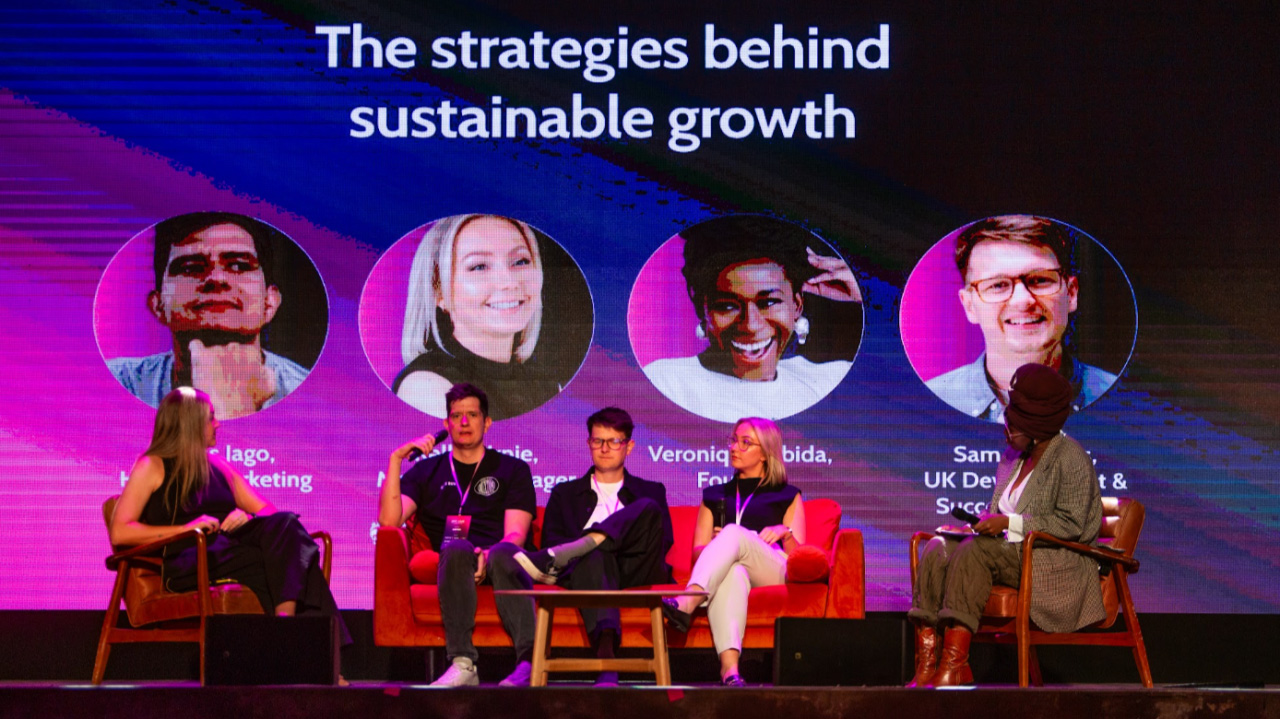
At our last Connect MCR panel, Kelly Birnie from luxury kitchen designer Thomas James Bespoke shared the organic strategy that took their Instagram from 5,000 to 100,000 followers.
For a high-AOV brand with a long consideration cycle, organic social cannot just be a mood board, it has to be an acquisition engine. But when Kelly audited their early presence, she realised the brand wasn't memorable. The page acted as a disjointed portfolio of past projects rather than a cohesive brand experience.
To turn their organic social into a primary revenue driver, they replaced random posts with a strict, recognisable content system.
Here is how you can apply their framework to your own content strategy:
1. Build a repeatable shot list
Instead of reinventing the wheel every time you have a content shoot, capturing random angles and hoping they look good on the grid, build a dedicated bank of styling assets. Create a standardised shot list featuring specific angles, lighting setups, and formats that you know perform well, and rotate them consistently.
2. Prioritise visual consistency over variety
Consumers need to instantly recognise your content as they scroll. Even if your products vary drastically from order to order (like bespoke kitchens), keeping your visual cues uniform creates a sense of familiarity. That consistency is what builds authority and trust before the customer has even clicked the follow button.
3. Give the system a six-month runway
Organic social is not a direct-response ad, so it does not yield overnight ROAS. When Thomas James Bespoke implemented their new social-first content system, it took a solid six months of relentless consistency before they saw a tangible spike in inquiries and sales. You have to commit to the system long enough for the algorithm and your audience to catch on.
The Takeaway
Audit your last nine grid posts this week. If they look like a random assortment of product catalogues rather than a cohesive visual identity, it is time to build a standardised shot list for your next content day.
Expanding into Europe? Get the order right first
Most brands that struggle abroad don’t fail because they picked the wrong market. They struggle because of the order they did things in, like launching before the business at home was ready or switching on every channel at once.
The Global Expansion Pathway is a free seven-part video series from Andy Hooper, founder of Expandly. It walks through the six stages Expandly uses to take brands into new markets, from choosing where to launch to building the plan that ties everything together. Each episode is sharp, actionable, and under 25 minutes.
Not sure where your operations currently stand? The Expansion Readiness Scorecard takes about 3 minutes and shows how ready your brand is across each crucial stage.
Take the Expansion Readiness Scorecard
Deep Dive LDN: Annual Planning
12th November 2026 | London | 9AM to 3PM
Don't forget to apply for our last workshop of the year, dedicated entirely to Annual Planning!
This is a closed-door environment where you'll dive deep into specific growth topics, hear directly from experts in the field, and get into hands-on workshops. We'll also be running roundtable sessions so you can discuss your strategy and meet similar established brands.
Seats are limited.
In Other News…
Consumer confidence suffers biggest fall since Covid: UK consumer confidence has plunged at its fastest rate since the early pandemic months, largely driven by cost-of-living pressures. Shoppers' willingness to make major purchases has dropped significantly ahead of the Golden Quarter.
What this means for you: Your acquisition costs will rise if consumers are hesitant to make big purchases, so focus on nurturing existing customers and clearly communicating the long-term value of your products.
UK firms still struggle to track payments, study finds: Despite the widespread use of digital payment tools, 42% of UK businesses still face delays in confirming whether customer payments have arrived. Fragmented financial systems mean finance teams are stuck manually tracing and reconciling data across multiple platforms.
What this means for you: Fragmented tech stacks are eating into your team's operational efficiency. Audit your payment workflows and consider integrations that consolidate your data so you can make faster, data-driven decisions.

The DTC Live Newsletter
Subscribe to get weekly eCom insights straight to your inbox.